Recipe Details
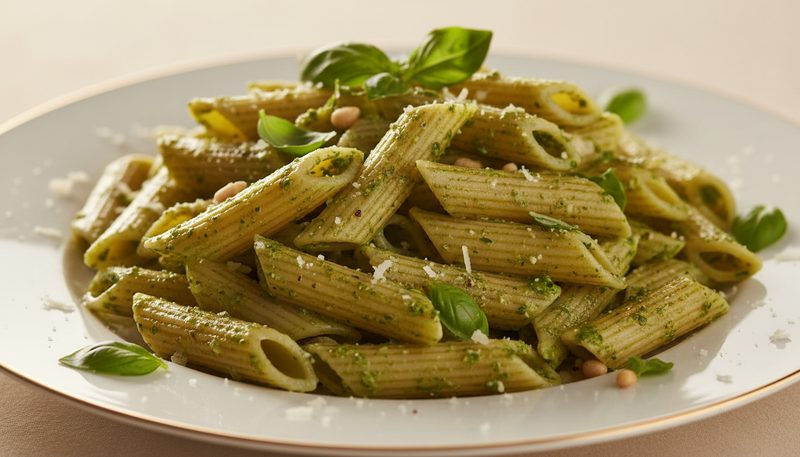
"Elevate your kitchen skills with this definitive guide to cooking pasta that is perfectly al dente and bursting with flavor. Whether it’s long spaghetti or ridged penne, these professional techniques ensure a gourmet result every time you boil a pot."
1 Ingredients
| Qty | Item |
|---|---|
| 1 pound | Dry pasta (Spaghetti, Penne, or Rigatoni) |
| 6 quarts | Water |
| 2 tablespoons | Kosher salt |
| 2 cups | Pasta sauce of choice |
2 Instructions
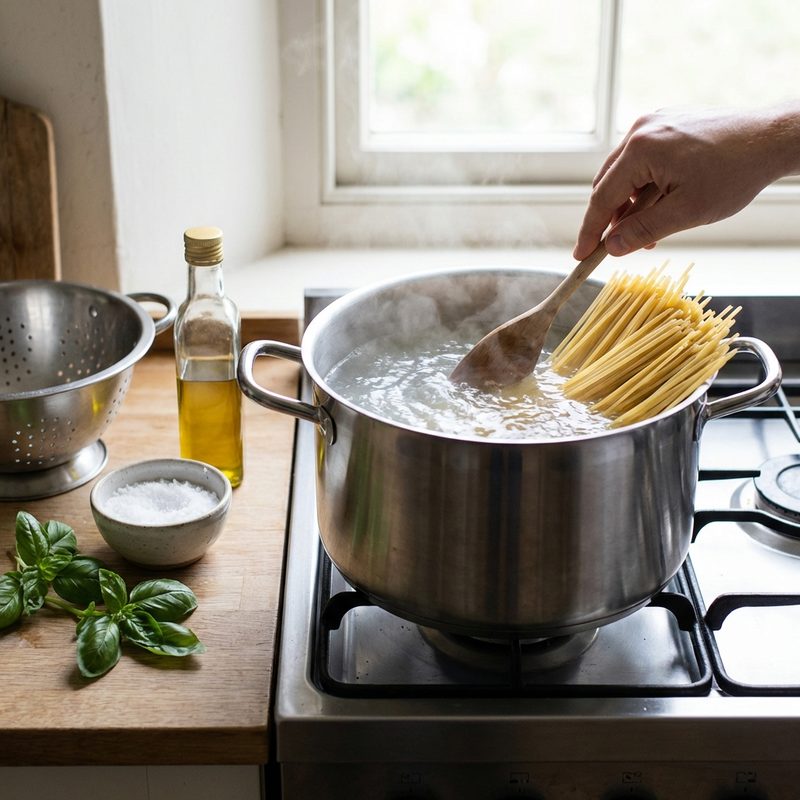
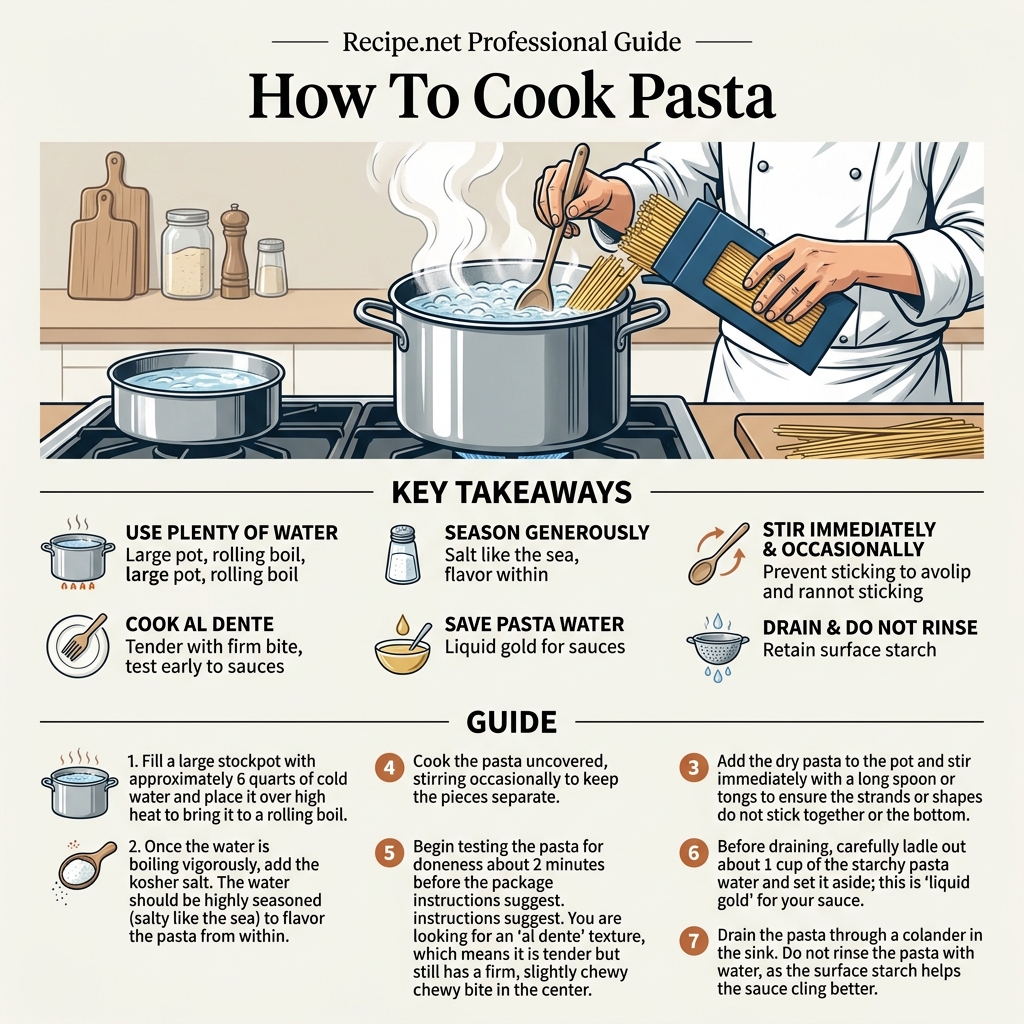
Step 1. Fill a large stockpot with approximately 6 quarts of cold water and place it over high heat to bring it to a rolling boil.
Step 2. Once the water is boiling vigorously, add the kosher salt. The water should be highly seasoned (salty like the sea) to flavor the pasta from within.
Step 3. Add the dry pasta to the pot and stir immediately with a long spoon or tongs to ensure the strands or shapes do not stick together or to the bottom.
Step 4. Cook the pasta uncovered, stirring occasionally to keep the pieces separate.
Step 5. Begin testing the pasta for doneness about 2 minutes before the package instructions suggest. You are looking for an 'al dente' texture, which means it is tender but still has a firm, slightly chewy bite in the center.
Step 6. Before draining, carefully ladle out about 1 cup of the starchy pasta water and set it aside; this is 'liquid gold' for your sauce.
Step 7. Drain the pasta through a colander in the sink. Do not rinse the pasta with water, as the surface starch helps the sauce adhere.
Step 8. Immediately transfer the pasta to a pan with your warmed sauce, adding a splash of the reserved pasta water to emulsify and create a silky, professional finish.
💡 Tips & Tricks
-
·
Never add oil to your pasta water, as it creates a slick coating that prevents sauce from clinging to the noodles.
-
·
Always use a large pot; pasta needs plenty of room to move around to avoid clumping and uneven cooking.
-
·
The reserved pasta water contains starch that helps bind the sauce to the pasta and improves the overall mouthfeel.
-
·
Salt the water only after it reaches a boil to prevent the salt from pitting the bottom of your stainless steel pots over time.
? Frequently Asked Questions
Why do I need to use so much water?
How do I know if the pasta is truly al dente?
Should I rinse the pasta after draining?
Can I cook pasta ahead of time?
Related Videos



→ Keep Cooking
See All Pasta & Grains

Next Recipe
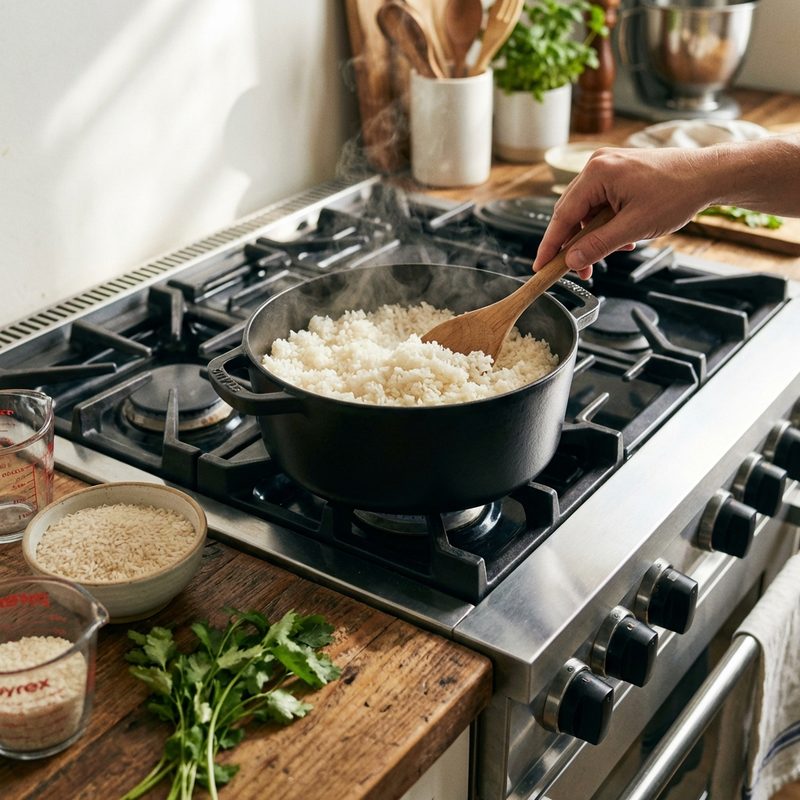
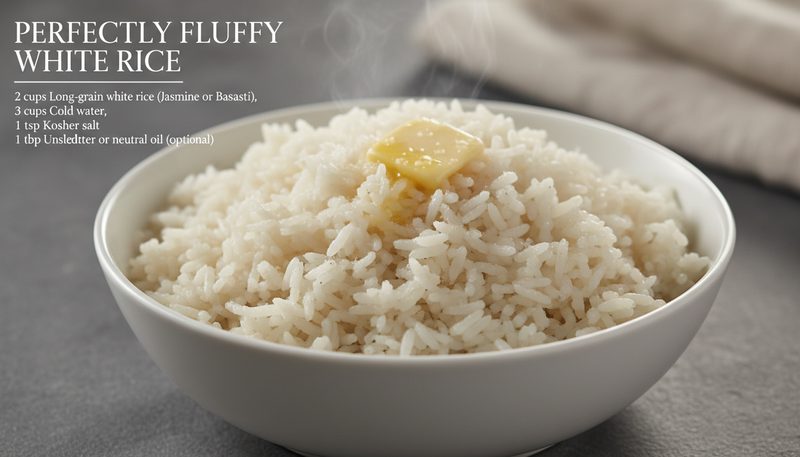
Fluffy White Rice
Elevate your meals with perfectly cooked white rice that is tender, light, and never mushy. This foolproof stovetop method ensures individual grains that separate beautifully, making it the ultimate foundation for your favorite international dishes.
You Might Also Like These Recipes

Sheet Pan Sausage And Veggies
45 min
Sheet Pan Chicken Fajitas
40 min
Homemade Mozzarella Sticks
30 min
Grilled Corn On The Cob
35 min
Eggs Benedict
35 min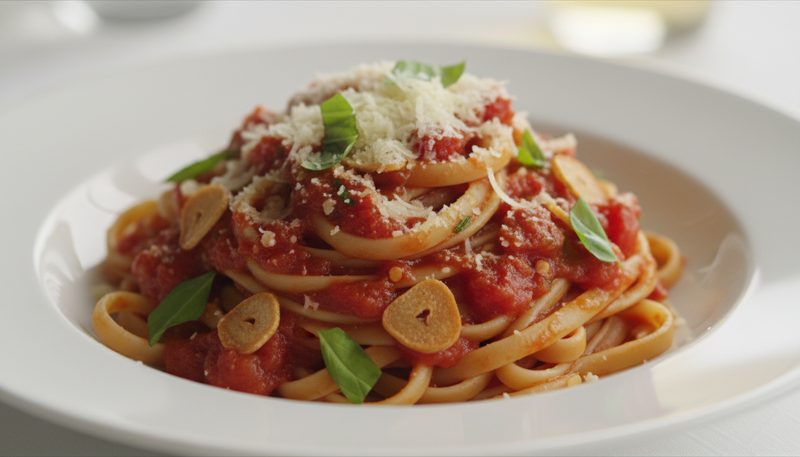
Pasta With Marinara Sauce
40 min
Turkey And Cheese Wraps
15 min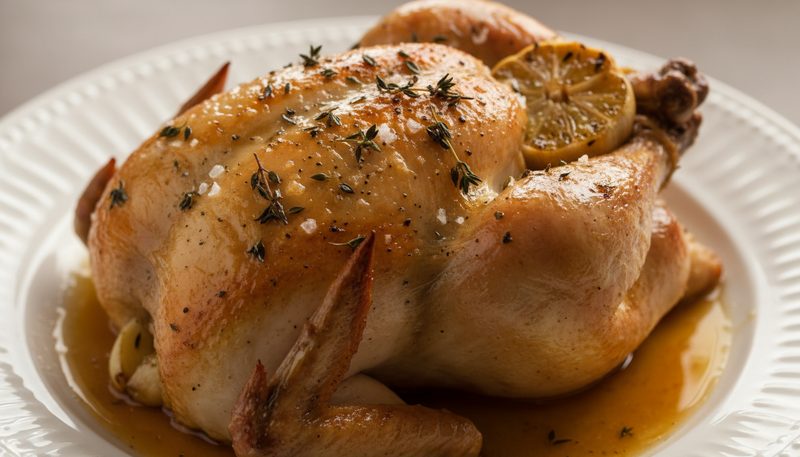
Perfect Roast Chicken
95 min
Mason Jar Greek Salads
20 min
Classic Hummus Plate
35 minComments (0)
Sign in to leave a comment.
You Might Like
Ad Space Available
Be the first to leave a comment.